Some Harms of “Bright Nights”

EcoWatch: Light Pollution: The Dangers of Bright Skies at Night

“Science shows links between artificial light and eye injury, sleeplessnessobesity and in some cases, even depression. A US study on shift workers from 2007 even makes a connection with breast cancer. It is all related to melatonin, a hormone that is released when it gets dark….

“It’s not only humans that need a natural day-night rhythm. Wildlife also struggles to adapt to the use of artificial light at night. Corals, for example, don’t reproduce as usual, migratory birds can lose their sense of orientation, and, rather than walking towards the sea, newly hatched turtles have been found walking inland, where they die…

Insects are also affected. One study suggested that an estimated 100 billion nocturnal insects die in Germany each summer as a result of artificial light. Usually reliant on the moon for orientation, the critters become so distracted by bright streetlamps for example, that they fly around them all night. They then die from exhaustion, are too weak to reproduce or become easy prey for predators…

“With fossil fuels still the main source of global electricity production, the unnecessary use of light at night also contributes to air pollution and climate change.”
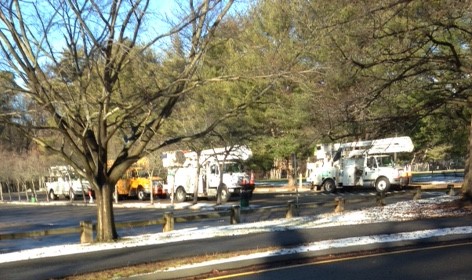
Big Trucks Idling

These huge, trucks were idling in this Forest Park parking lot when came by on my walk in, and they were there, exhaust filling the air when I came back on the other side, some 40 minutes later, Monday. –Wonder why Springfield, MA is #1 in the USA for asthma? Heavy vehicle pollution in the park plays a role.

For humans to flourish, Springfield needs the wild

Today, I’m sharing a story about Seattle, WA’s 500-acre Discovery Park (somewhat smaller than Forest Park) which offers important considerations for using our park to nurture healthy human beings.

Anthropocene Weekly  – Cities don’t just need parks–they need big, wild ones – Meaningful experiences of urban nature are linked to parks’ “wildness” 

By Sarah DeWeerdt – March 3, 2020

“…features like varied habitats, relatively unmanaged land, high levels of biodiversity, old-growth trees, large open spaces and wide vistas, and opportunities for visitors to experience solitude and a sense of remove from civilization.”


We’re No. 1 – but not in a good way

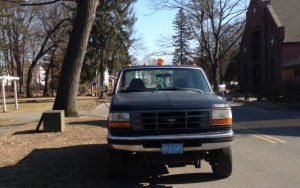
If you have asthma, the exhaust from this city vehicle endangers your health.

The exhaust from this city vehicle (Licence plate M56 745) endangers your health.

2019 Asthma Capital of the USA

The Asthma and Allergy Foundation of Arlington, Virginia in its 2019 report on most challenging places to live with asthma – which kills 10 people every day – and ranked our own Springfield, Massachusetts at the top among 100 US cities (page 5).

There are a number of factors involved in the assessment, – The report also analyzes risk factors that influence asthma outcomes, including poverty, lack of health insurance, air quality…”

In Forest Park today (Sunday) where people come get a breath of fresh air and jog or walk to improve their health, I encountered the above-pictured, vehicle three times. First, as you see above, it was parked and I smelled the stink of fuel that clings to it. Within the 50 minutes I was walking in the park, I saw it operating twice, on the same roads that babies in strollers, the elderly and veteran joggers must use, and the exhaust it puts out will gag a healthy person.

Why does the city operate this truck? Why was it driving around the park on a Sunday?